Commercial strength engineering

Hammer Strength equipment for rooms that are used hard every day.

Specify plate-loaded machines, racks, benches, cable stations, and cardio zones with an engineering-led plan for duty cycle, training flow, service access, and five-year ownership cost.

100,000+ cycle test targets EN ISO 20957 aligned 5-year TCO planning
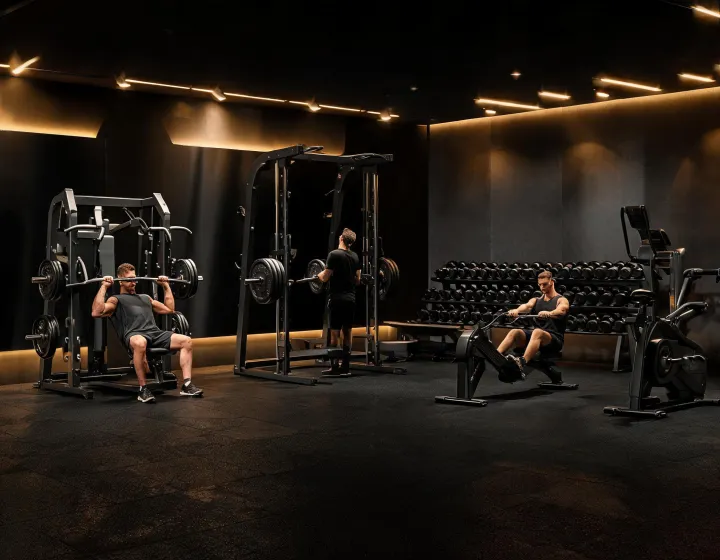
Hammer Strength commercial strength floor

Durability specification

Accordion view for engineering teams, owners, and service leads.

Heavy gauge steel frames, reinforced pivot points, sealed bearings, replaceable wear pads, and weld inspection gates are planned for high-volume clubs where strength machines are loaded from opening to close.

Programs map expected sets per day, member traffic by hour, cable replacement intervals, lubrication windows, upholstery rotation, and parts stocking so downtime does not surprise the operator.

The spec pack compares footprint, load rating, warranty expectations, adjustability, service clearance, user weight assumptions, and cleaning access across commercial, prosumer, and residential alternatives.
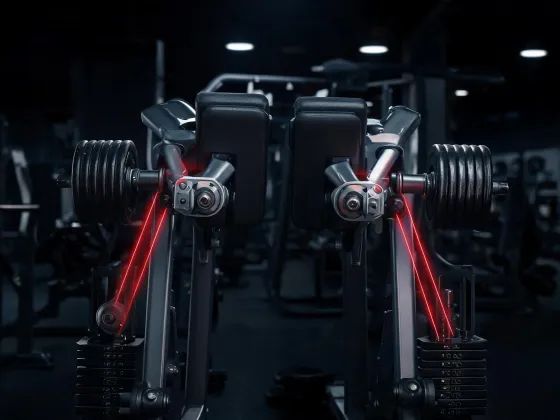
Plate loaded press biomechanics

Biomechanics

Movement paths are specified before upholstery colors.

Every selectorized station, iso-lateral press, and rack position is evaluated around joint path, entry angle, spotting access, and coaching visibility. That keeps a busy floor consistent for first-time members and advanced lifters.

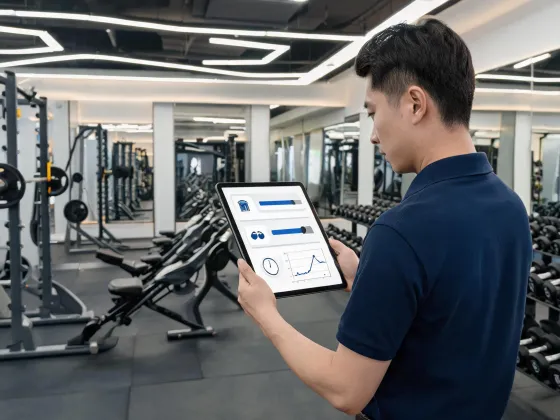
Commercial fitness service technician

Service access

Maintenance paths are part of the layout, not an afterthought.

Rack spacing, cable stack placement, spare part drawers, and inspection access are drawn into the plan so service teams can work quickly without closing the full training zone during peak hours.

Fitness floor utilization dashboard

Operator economics

Translate equipment choices into member flow and payback windows.

Capacity plans include rack throughput, dumbbell zone congestion, cardio utilization, service contract assumptions, and cost per active member month so owners can defend the investment with numbers.

Compliance and risk controls

Detailed list for facilities that need documented standards.

EN ISO 20957 / EN 957 club use

Equipment selections are reviewed against commercial fitness expectations for use frequency, stability, adjustment integrity, and operator documentation.

UL and ETL electrical review

Cardio consoles, power routing, and connected training assets are coordinated with electrical planning, surge protection, and service labeling.

ISO 9001 manufacturing discipline

Procurement teams receive traceable quality language for frames, welds, upholstery, bearings, and high-wear assemblies.

Preventive maintenance SOP

Daily cleaning, weekly inspection, monthly torque checks, and annual component review can be bundled into the facility launch packet.

Facility types

Plan by use case, not by catalog page.

01

Health clubs

High rack density, strong dumbbell circulation, and service lanes for peak evening traffic.

02

Hotels

Quiet cardio, compact strength, durable upholstery, and overnight cleaning access.

03

Universities

Team lifts, recreation users, coaching sightlines, and season-based traffic surges.

04

Corporate gyms

Short-session flow, approachable adjustability, and low-noise strength stations.

05

Military bases

Heavy duty racks, functional zones, strict uptime targets, and training group turnover.

06

Multifamily

Compact footprints, safer setup paths, and clear resident instruction points.

Scroll horizontally to compare facility planning priorities.
"The value was not only the equipment list. The Hammer Strength planning packet showed how rack spacing, plate storage, cardio queue time, and preventive maintenance would behave once the room was full."

Director of Fitness Operations, multi-site performance club group

Start with a usable plan

Send the room dimensions. Get an equipment mix built around throughput, service, and training outcomes.

  • Rack, cable, dumbbell, cardio, and recovery zone mix
  • Daily use assumptions and maintenance cadence
  • Budget tiers with five-year ownership visibility